November Garden Checklist 2023

November Garden Checklist 2023

November Garden Checklist 2023

November Garden Checklist

  • Plant spring bulbs
  • Clean and oil garden tools
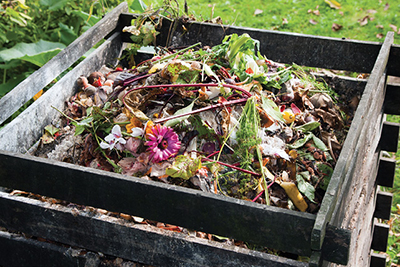
  • Apply chicken manure to age over winter
  • Winterize roses – Leave rosehips on until spring, protect from west (winter) winds, 4-6 inches mulch crowns
  • 1-2 times per month – Water roses, perennials, shrubs and trees if ground is not frozen solid.

Source:  Month-By-Month Gardening:  Arizona, Nevada & New Mexico

Plants for Pollinators

Plants for Pollinators

Plants for Pollinators

Plants for Pollinators

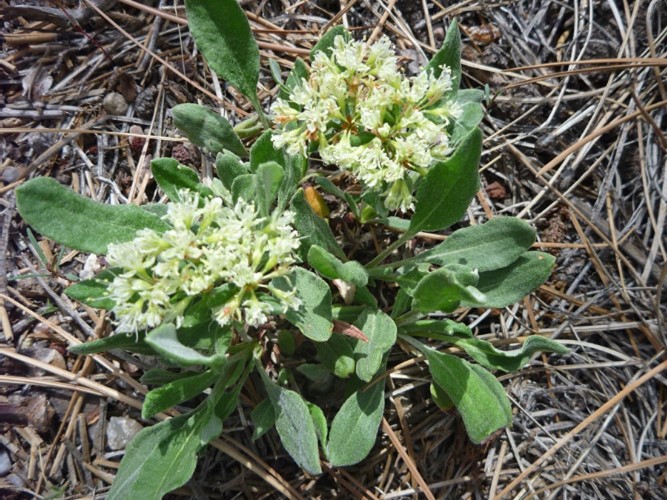
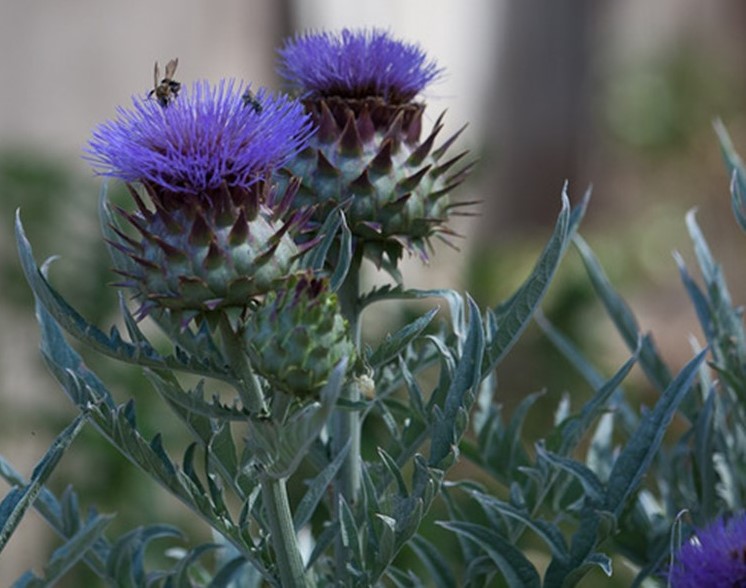
The link below is to the native plants for pollinators and beneficial insects for AZ, NM and CO Plateaus.

These plants are attractive to a diversity of pollinators, providing pollen and nectar for bees, butterflies, wasps, flies, and moths. Some plants provide additional resources such as caterpillar host plants or nesting sites and nesting materials for above ground nesting bees. Many support specialist bees that require pollen from specific plants to survive and supplement beneficial insects that can help control pests of ornamental and crop plants. These plants are native to this region. 

Check plants.usda.gov to determine if a species is native in your area and can be used to create or enhance pollinator habitat across rural and urban landscapes

When purchasing plants, let your local garden center or nursery know you want plant material free of pesticides that may harm pollinators.

Is Your Landscape Sustainable?

Is Your Landscape Sustainable?

Is Your Landscape Sustainable?

Is Your Landscape Sustainable?

A sustainable garden is a work in progress. This checklist provides signposts you can use along the way in your journey toward sustainable gardening.

Answer the following questions to determine how sustainable your garden is and identify opportunities to improve:

PLANT SELECTION

What percentage of the landscape features native plants and trees? What percentage is lawn?
Plants adapted to NMs unique soil and weather conditions require less water and fertilizer. Ideally, the lawn space should be <10%.
Does the landscape utilize a variety of blooming plants in different sizes, colors, and bloom times?
A variety of bloom structures, sizes, colors and bloom time attracts pollinators and other wildlife as well as ensuring they have food not just during the summer season but through all four seasons.
Does the landscape utilize companion and inter planting of flowers and herbs?
Companion planting and interplanting naturally repels unwanted pests, attracts beneficial insects and creates a healthy ecosystem reducing dependence on fertilizers and pesticides.
Do you save seeds from successful plant growth at the end of the season?
Seeds saved from plants that were successful are more likely to be successful in the future.
Does the placement of plants and trees provide natural shade to key locations of the landscape?
Proper location of plants can provide shade, block wind, and reduce noise. For example, evergreens block wind and may offer protection to other plants and wildlife. Deciduous trees planted on east, west, and southwest sides of buildings can block summer sun and warm buildings in winter.

WATER

Does the landscape feature drip irrigation with a schedule based on differing water needs?
Drip irrigation provides efficient and effective watering and can be designed to provide the right amount of water to the right place at the right time.
Do you utilize rainwater capture systems or reuse greywater?
Cisterns, rain barrels and seasonal swales can be used to capture and leverage rainwater to reduce use of community water systems. Greywater reuse can also be an effective way to reduce water usage.
Is the landscape designed to capture water in the best possible way?
Landscapes should be designed to use the natural topography to capture water and assist in the slowing, spreading and soaking of water into growing areas.
Does the landscape provide water for wildlife?
A pond or appropriately sized water feature helps attract wildlife and pollinators.
Are plants grouped by water needs and placed with water availability in mind?
Grouping plants by water use helps ensure plant health as well as efficiency. For example, high water use plants can be grouped together and placed in the vicinity of captured water to augment irrigation while low water use plants can be grouped together and watered less frequently.

SOIL

Does the landscape utilize mulch to protect soils and preserve water?
Natural mulches are critical to prevent soil erosion and to preserve water. Wood, shells, and straw are great examples of natural mulch.
How do you build the soil in areas where heavy feeding plants are grown? What type of amendments are utilized?
The regular addition of organic matter in the form of compost or plant matter on top of the soil ensures that depleted soil is replenished.
Has a soil test been conducted and results used in building the soil or plant selection?
Soil type greatly impacts the success of plants in a garden or landscape.  Understanding the soil makeup is foundational to landscape planning and development over time.
What type of fertilizers are used and how frequently?
Organic, non-synthetic fertilizers utilized in proper quantities avoid pollution of water systems as well as ensuring healthy plant development.

Permaculture Zones in a Sustainable Landscape

Permaculture Graphic by HIPPERMACULTURE, https://www.hippermaculture.com/

Permaculture Graphic by HIPPERMACULTURE https://www.hippermaculture.com/

One way of designing the landscaping of a property is by considering the frequency of its desired uses. This facilitates efficient use of energy, water, and natural resources.

Zone 0, not shown on this graphic, is an indoor living space that incorporates a planned view of the outside and brings the outside in.

Zone 1 Zone 2 Zone 3 Zone 4 Zone 5
An area of intensive daily use, closest to the house. This is an area for herb and flower gardens, annual vegetable garden, rainwater catchment and structures you visit daily – (e.g. a greenhouse or a toolshed) An area that requires attention 1-2 times/week. This is the place for perennial vegetables, dwarf fruit trees, beehives, compost bins, stables, barns. Fowl and rabbits may be housed between zones 1 and 2. This allows small animals to be close to the home for daily management – but able to reach foraging further from the house. A farming area visited less often – twice a week to twice a month. Smaller properties may not include this zone. Here is pasture for large animals, orchards, produce for market, staple crops. (This could also include a community garden.) An area that borders the wilderness – visited 1-2 times/year. This may be a wildlife area, or a public park. Actual wilderness, which requires only proper conservation. Is there consideration of flood/ forest fire risk from the wilderness area?

Resources:

From Albuquerque Water Authority: https://www.505outside.com/
Provides watering instructions for trees, plants and turf; gives suggestions for efficient irrigation and landscaping

From NMSU: Xeriscaping for beautiful gardens and water conservation

From Office of the State Engineer: https://www.ose.state.nm.us/WUC/wuc_homeOwners.php

Books:

Carrots Love Tomatoes Secrets of Commpanion Planting for Successful
Gardening by Louise Riotte

Gaia Garden:  A Guide to Home-Scale Permaculture by Toby Hemenway

Plant Partners, Science-Based Companion Planting Strategies for the Vegetable Garden by Jesssica Wallsier (Storey Publishing: 2020). This book covers plant selection and pairing for soil improvement, weed  management, pest management, disease management, pollination and  biological control.  All the research used for the chapters is listed in the book.

Permaculture by David Holmgren. Holmgren Design Services Pub 2002.  (pages 138-141)

Practical Permaculture. By Jessi Bloom & Dave Boehnlein. Timber Press publisher 2015. (pages 100-105)

Teaming with Nutrients:  The Organic Gardener’s Guide to Optimizing Plant Nutrition by Jeff Lowenfels

Safe Gardening

Safe Gardening

Safe Gardening

Safe Gardening

Avid gardeners tout the benefits of gardening, which are many. It’s easy to forget gardening also can be hazardous, at least until the gardener is in a doctor’s office with an injury or condition that needs professional support. According to the Consumer Product Safety Commission (CPSC), emergency rooms treat more than 400,000 outdoor garden tool-related accidents each year. With proper safety techniques, you can stay away from the hospital and avoid becoming a statistic. We will run a series of Safe Gardening information through the season.

Protect Your Hands

1. WEAR GLOVES WHEN WORKING OUTSIDE

Wearing the proper gloves will not only reduce blistering but will also protect your skin from fertilizers, pesticides, bacteria and fungus that live in the soil. When exposed to soil, even the smallest cut runs the risk of developing into a major hand infection. Leather gloves offer protection from thorny objects and poison ivy, snake, rodent and insect bites, and other skin irritants in the garden. Gloves also prevent sun damage and fingernail damage.

2. AVOID PROLONGED REPETITIVE MOTIONS

Unless you are used to the activity, repetitive motions such as digging, raking, trimming hedges, pruning bushes or planting bulbs may cause skin, tendon or nerve irritation. Make sure your gardening activities are varied and tasks are rotated every 15 minutes with a brief rest in-between so that the same muscles are not used over and over again.

3. USE TOOLS, NOT YOUR HANDS

Use a hand shovel or rake rather than your hand for digging. Sharp objects and debris buried in the soil may cut you. If possible, remove objects from the work area before beginning the task to avoid causing damage to you or your tools.

4. USE THE RIGHT TOOL FOR THE RIGHT JOB

Avoid accidents by using tools for their intended purposes. Other important tool tips:

  • When purchasing pruners, loppers or shears, look for brands featuring a safety lock.
  • Avoid products with form-fitting handles. These tools only fit one size of hand perfectly. If your hand is too large or too small, it will put more stress on your hand.
  • Always follow the manufacturers’ instructions for the tool.
  • Keep sharp tools away from children at all times.
  • Always unplug electrical tools and disconnect spark plug wires on gasoline-powered tools when not in use.

CHECK YOUR POSTURE

“Posture” refers not only to your whole body position but also to the angle of your wrist while using hand tools. Grip strength is at its maximum when the wrist is in a relaxed or neutral position. Studies have shown that people lose up to 25% of their grip strength when their wrist is bent.

WHAT TO DO IN CASE OF INJURY

  • If you cut your finger or hand, bleeding from minor cuts will often stop by applying direct pressure to the cut with a clean cloth. Visit the emergency room if:
    – Continuous pressure does not stop the bleeding after 15 minutes.
    – You notice persistent numbness or tingling in the fingertip or have trouble moving the finger.
    – You are unsure of your tetanus immunization status.
    – You are unable to thoroughly clean the wound by rinsing with a mild soap and plenty of clean water.

Remember to safely enjoy the health benefits of gardening by using your hands and tools wisely.
https://www.assh.org/handcare/safety/gardening

What Is Sustainable Gardening?

What Is Sustainable Gardening?

What Is Sustainable Gardening?

What is Sustainable Gardening?

Home gardeners can be an important part of the solution to climate change by using sustainable practices.  Sustainable practices and landscape techniques can slow further warming by reducing carbon emissions and increasing carbon storage in soil and plants. In addition, we can adapt our gardens and green spaces and make them more resilient to climate change by adding native plant diversity, improving soil health, and growing heat tolerant vegetable crops, and using storm water management practices.

Sandoval Extension Master Gardeners will be exploring ways to make our gardens climate resilient. We will share the ideas and actions over the next several months.

If you have not yet watched KISS THE GROUND, it’s a great place to start understanding that small well thought out changes can yield big results. (Movie Trailer)

“The single greatest lesson the garden teaches is that our relationship to the planet need not be zero-sum, and that as long as the sun still shines and people still can plan and plant, think and do, we can, if we bother to try, find ways to provide for ourselves without diminishing the world.”

Michael Pollan, This is Your Mind on Plants

November Garden Checklist 2023

March Garden Checklist 2023

March Garden Checklist 2023

March Garden Checklist

  1. Plant bare root fruit trees
  2. Plant bare root roses – bigger selection now. Best to be in ground one month before final frost (15 March)
  3. Harden off seedlings before planting outside
  4. Plant cool weather vegetables in the garden after St. Patrick’s Day (Zone 7-17 March)
  5. Rejuvenation prune woody plants
  6. Start seeds indoors for tomatoes, peppers, herbs – Sow some extra for the SEMG Plant Sale April 30.

Source:  Month-By-Month Gardening:  Arizona, Nevada & New Mexico