Tarantula – (Family:  Theraphosidae; Genus: Aphonopelma; Species:  chalcodes)

Tarantula – (Family: Theraphosidae; Genus: Aphonopelma; Species: chalcodes)

Tarantula – (Family: Theraphosidae; Genus: Aphonopelma; Species: chalcodes)

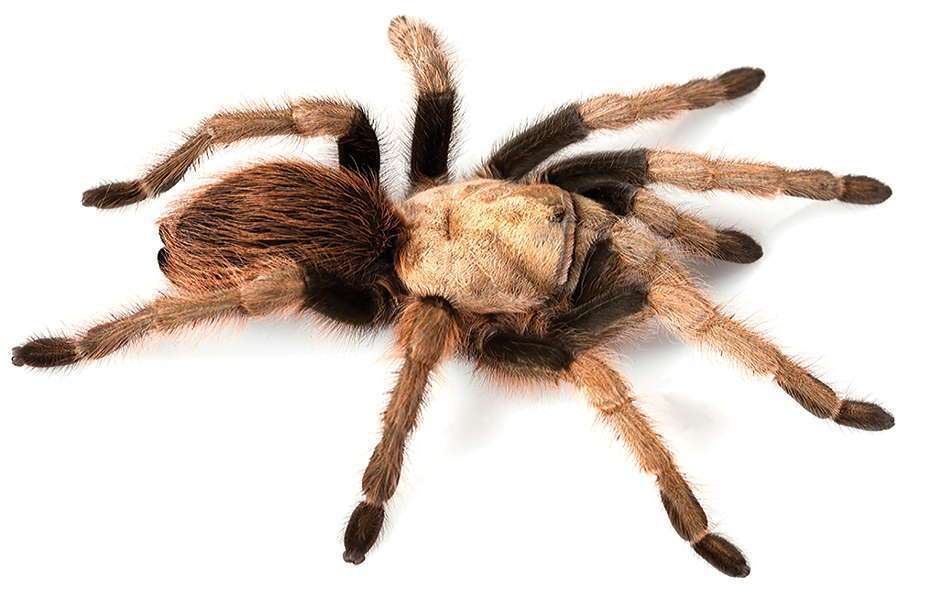
Desert Tarantulas are a common sight in the Southwestern states and Mexico. They generally hide during the day, choosing instead to rest under rocks or protective burrows that are abandoned by desert rodents.

The male of the species is slightly smaller than the females. Desert Tarantulas in general are noted for their large size compared to other spiders. Leg spans can reach up to 4 inches in diameter on the females making it possible for them to cover the whole hand of a grown man.

Their brown bodies are covered with an abundance of hairs. This bristly hair is the hallmark of identifying Tarantulas, in general. Males are generally completely dark, whereas females tend to have light brown (blonde) hairs on their carapace and legs.

This spider will work hard to avoid contact with people and it will strike if disturbed or threatened. It should be noted that Desert Tarantulas bites are considered poisonous, but not deadly.

Seeking medical advice is advisable if bitten. Desert Tarantula venom is reported to only be as dangerous as bee venom, but sadly allergic reaction may result in sensitive individuals

Because of their large size Desert Tarantulas can take down and consume small reptiles in addition to insects.

Info from: InsectIdentification.org 

Beneficial of the Month – Jerusalem Cricket  AKA:  Potato Bug – (Genus: Stenopelmatus)

Beneficial of the Month – Jerusalem Cricket AKA: Potato Bug – (Genus: Stenopelmatus)

Beneficial of the Month – Jerusalem Cricket AKA: Potato Bug – (Genus: Stenopelmatus)

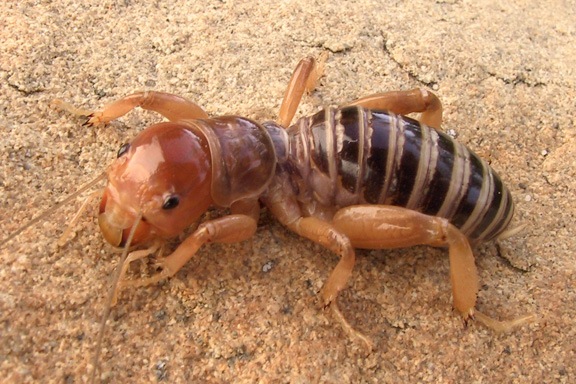
Jerusalem crickets (or potato bugs) are a group of large, flightless insects of genus Stenopelmatus. They are native to the western United States and parts of Mexico. Despite their common names, these insects are neither true crickets (which belong to the family Gryllidae) nor true bugs (which belong to the order Hemiptera), nor are they native to Jerusalem. These nocturnal insects use their strong mandibles to feed primarily on dead organic matter but can also eat other insects. Their highly adapted feet are used for burrowing beneath decaying root plants and tubers.

While Jerusalem crickets are not venomous, they can emit a foul smell and can inflict a painful bite.

Like true crickets, each species of Jerusalem cricket produces a different song during mating. This song takes the form of a characteristic drumming in which the insect beats its abdomen against the ground.

Jerusalem crickets do NOT eat potatoes

Source:  Wikipedia.com   Photos:  Wikipedia

Beneficial of the Month – Beneficial Flies (Order: Diptera) – Hoverflies (Family: Syrphidae)

Beneficial of the Month – Beneficial Flies (Order: Diptera) – Hoverflies (Family: Syrphidae)

Beneficial of the Month – Beneficial Flies (Order: Diptera) – Hoverflies (Family: Syrphidae)

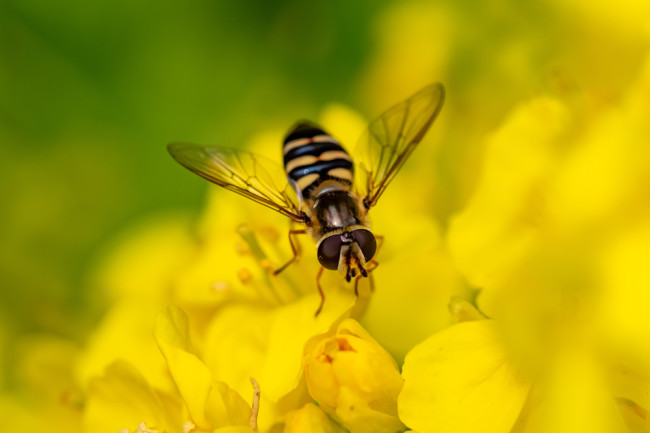
Adult hoverflies can look superficially like wasps but have only 1 pair of wings and very short antennae. The adults feed on nectar and pollen, and so are often seen on flowers (or hovering over them prior to landing). The females lay their eggs close to aphid colonies, on which the larvae feed. The pupal stage is immobile, somewhat pear-shaped, and normally found on the same plant on which the larva developed.

Information from:  https://aces.nmsu.edu/pubs/insects/welcome

Beneficial of the Month – Beetles (Order: Coleoptera) – Ground beetles – (Family: Carabidae)

Beneficial of the Month – Beetles (Order: Coleoptera) – Ground beetles – (Family: Carabidae)

Beneficial of the Month – Beetles (Order: Coleoptera) – Ground beetles – (Family: Carabidae)

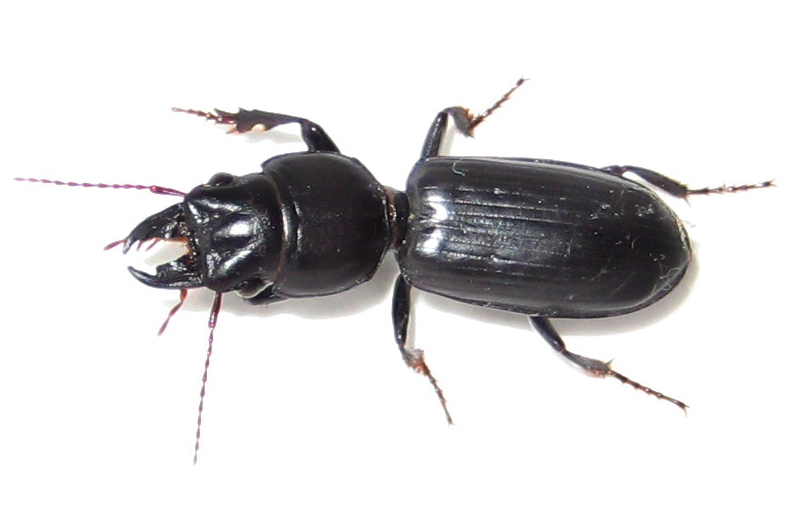
These beetles are fast-moving, relatively large predators that attack a wide range of insect prey; a few species eat seeds and play a role in reducing the weed seed bank in the soil. They are typically black in color, often with a metallic sheen. Since they are nocturnal, they often pass undetected in the farm and garden, even though they may be present in high numbers. At first glance they may be mistaken for the large, black ‘darkling’ beetles (Family: Tenebrionidae) that are active during the day (particularly in desert areas) but differ in having a much flatter abdomen. The larval stages develop in the soil (for up to 2 years, depending on species) and prey on other soil-dwelling organisms, including some pests.

Information from:  https://aces.nmsu.edu/pubs/insects/welcome

Beneficial of the Month – Beneficial Flies (Order: Diptera) – Tachinid Flies (Family: Tachinidae)

Beneficial of the Month – Beneficial Flies (Order: Diptera) – Tachinid Flies (Family: Tachinidae)

Beneficial of the Month – Beneficial Flies (Order: Diptera) – Tachinid Flies (Family: Tachinidae)

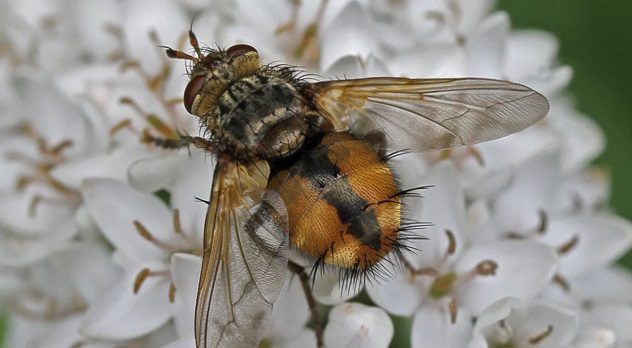
The flies in this family are parasitoids, i.e., the females lay their eggs on or in the bodies of other insects, and when the fly larvae hatch, they gradually consume the host until it dies, and the fly larvae pupate. Many tachinids attack larval moths and butterflies, although some species parasitize other insect groups (e.g., cucumber beetles). The adults often resemble large houseflies but have a bristlier abdomen. They sustain themselves on nectar and pollen, and so are often found on flowers during the summer.

Beneficial of the Month material courtesy of NMSU ACES:
Pocket Guide to the Beneficial Insects of New Mexico

Beneficial of the Month – Wasps ( Hymenoptera) Part II – Parasitic Wasps (Various Families)

Beneficial of the Month – Wasps ( Hymenoptera) Part II – Parasitic Wasps (Various Families)

Beneficial of the Month – Wasps ( Hymenoptera) Part II – Parasitic Wasps (Various Families)

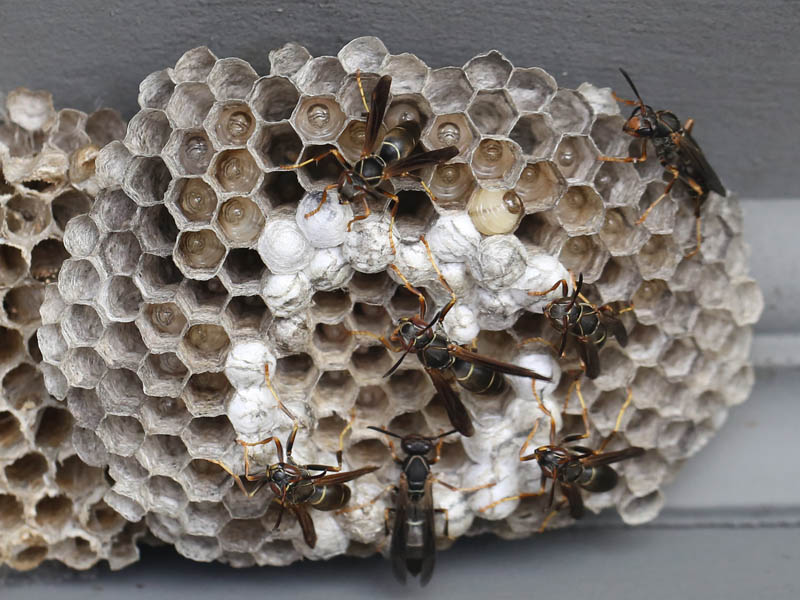
New Mexico has a large and diverse array of predatory wasp species, some of which form colonies while others are ‘solitary’ – i.e., each female constructs her own individual nest, often in the soil, but also in other habitats such as plant stems or pre-existing holes in dead wood. Species in one sub-family construct mud ‘pots’ that they provision with prey items for their larvae. Although wasps are viewed as pests by many people, they will not normally sting unless provoked and are valuable predators; different species attack moth caterpillars, scarab beetle larvae (‘white grubs’), grasshoppers, stink bugs, and various other pests. Adult wasps will feed on nectar and hence are often seen on flowers.

Beneficial of the Month material courtesy of NMSU ACES:
Pocket Guide to the Beneficial Insects of New Mexico